What We Do
What is waste to energy?
Waste-to-energy is a form of energy recovery through anaerobic digestion of organic matter. In wastewater treatment, anaerobic digestion is a biological processes in which microorganisms break down biodegradable material in the absence of oxygen. One of the end products is biogas, which is combusted to generate electricity and heat, or can be processed into renewable natural gas and transportation fuels.
Anaerobic digestion in wastewater treatment
Anaerobic digestion already occurs in nature, whenever organic wastes are left under anaerobic conditions. But the process can be optimized, controlled, and contained using an anaerobic digester. By analysing the wastewater/sludge parameters, ideal digesters can be designed – be it traditional anaerobic digesters, sludge digesters, continuously stirred tank reactors (CSTR), or Upflow anaerobic sludge blanket reactors (UASB). These digesters are designed to provide ideal conditions for anaerobic bacteria to thrive and maximise biogas production. Biogas contains roughly 50-70 percent methane, 30-40 percent carbon dioxide, and trace amounts of other gases. The liquid and solid digested material, called digestate, is frequently used as a soil amendment.
Anaerobic digestion to treat wastewater, septage, or sludge from wastewater treatment plants has gained worldwide attention because it offers significant environmental and economic benefits. In addition to treating wastewater in order to protect our waterbodies, this energy recovery helps to build economic resilience in the face of an uncertain future for energy production and waste disposal.
In addition to energy recovery, anaerobic digestion can lower costs associated with waste water treatment. With little to no processing, biogas can be burned on-site to heat boilers or operate biogas stoves. Biogas can be used for combined heat and power (CHP) operations, or biogas can simply be turned into electricity using a combustion engine, fuel cell, or gas turbine, with the resulting electricity being used on-site or sold onto the electric grid.
The left over material after digestion is a nutrient-rich solid (after dewatering) or liquid material - it contains all the recycled nutrients that were present in the original organic material but in a form more readily available for plants and soil enhancement.
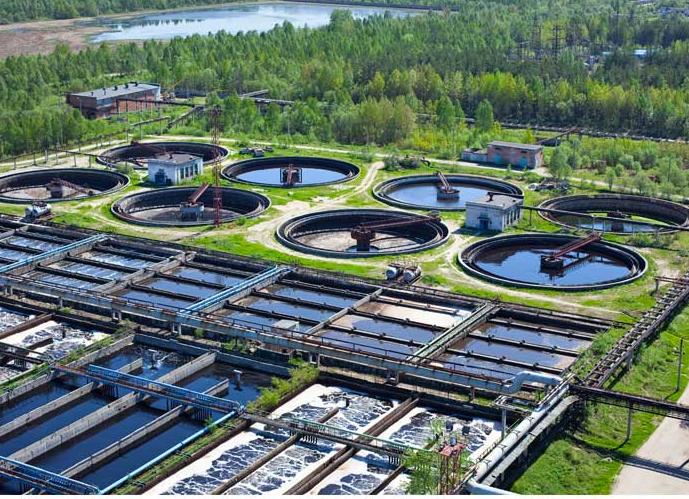
More Services
-
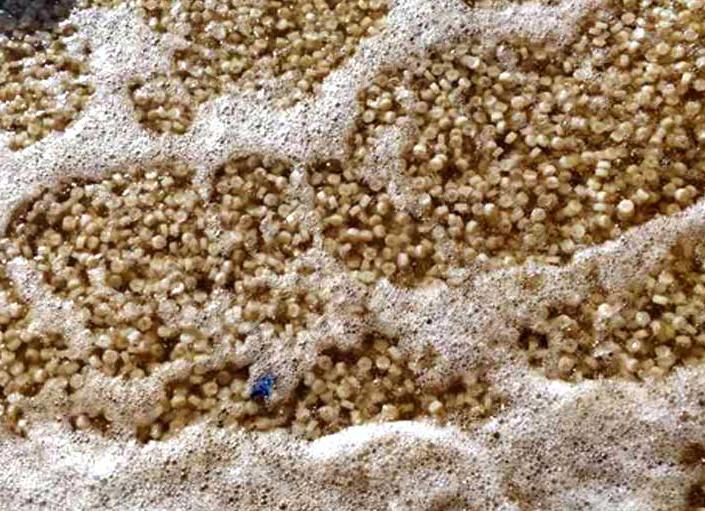
MOVING BED BIO-REACTOR ( MBBR )
We provide biological treatment system based on the revolutionary Moving Bed Bio Reactor ( MBBR)
-
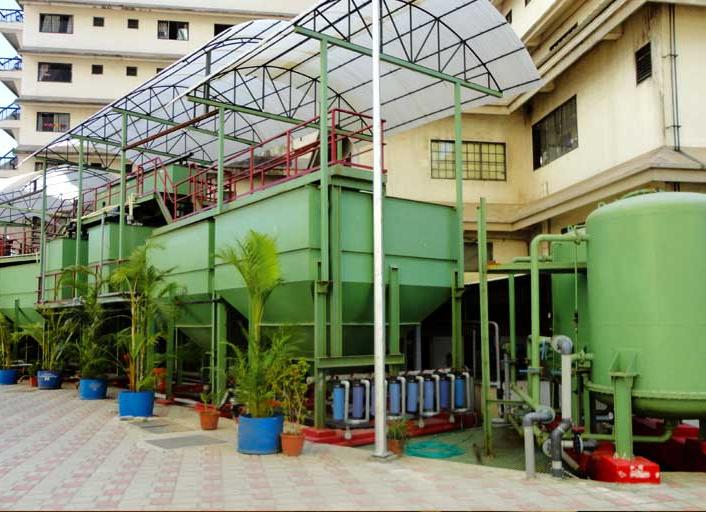
SEWAGE TREATMENT PLANTS / GREY WATER TREATMENT SYSTEMS
Modular, Pre-fabricated/Skid mounted/totally underground design for apartments and hotels Turnk
-
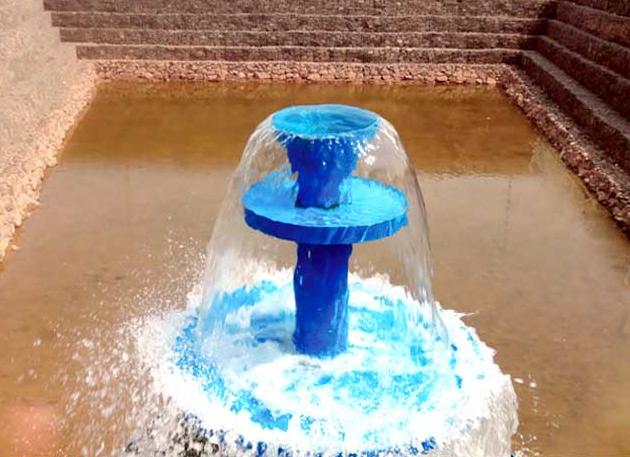
INDUSTRIAL EFFLUENT TREATMENT PLANT (ETP) MANUFACTURER
As a leading Effluent Treatment Plant(ETP) manufacturer in India, we at GME offer wide range of effl
-
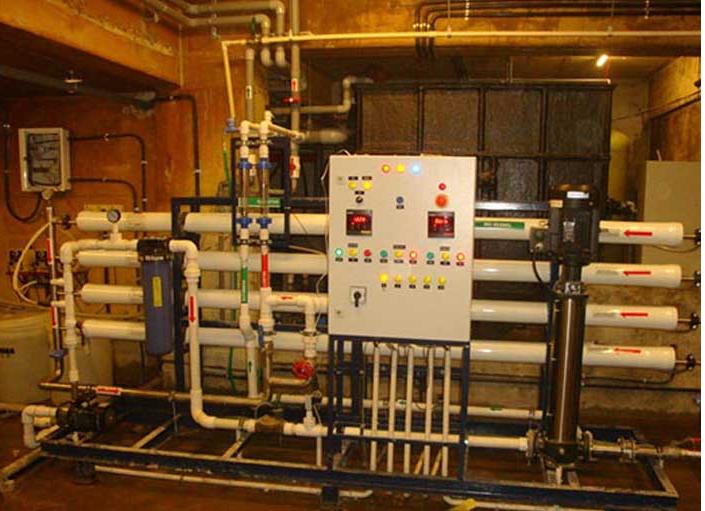
MEMBRANE BASED TREATMENT SYSTEM
Potable water Drinking water from Sea Water Textile and Dyeing B
-
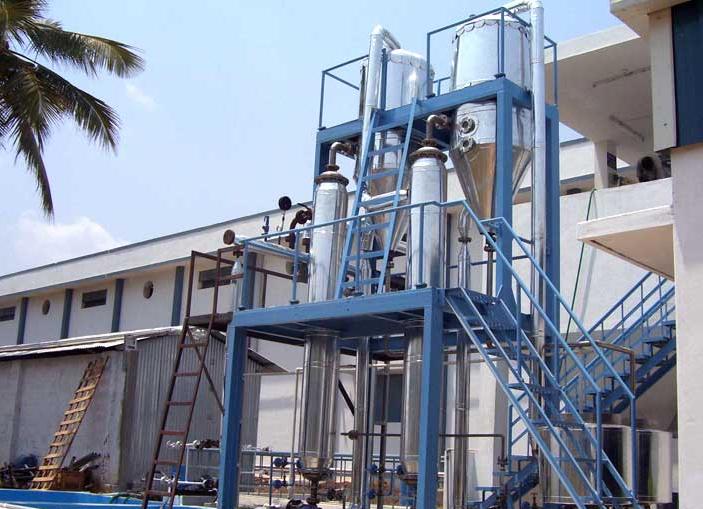
THERMAL EVAPORATION SYSTEMS FOR RO REJECT CONCENTRATION
THERMAL EVAPORATION SYSTEMS FOR RO REJECT CONCENTRATION. Design ,build ,supply, installation, erecti